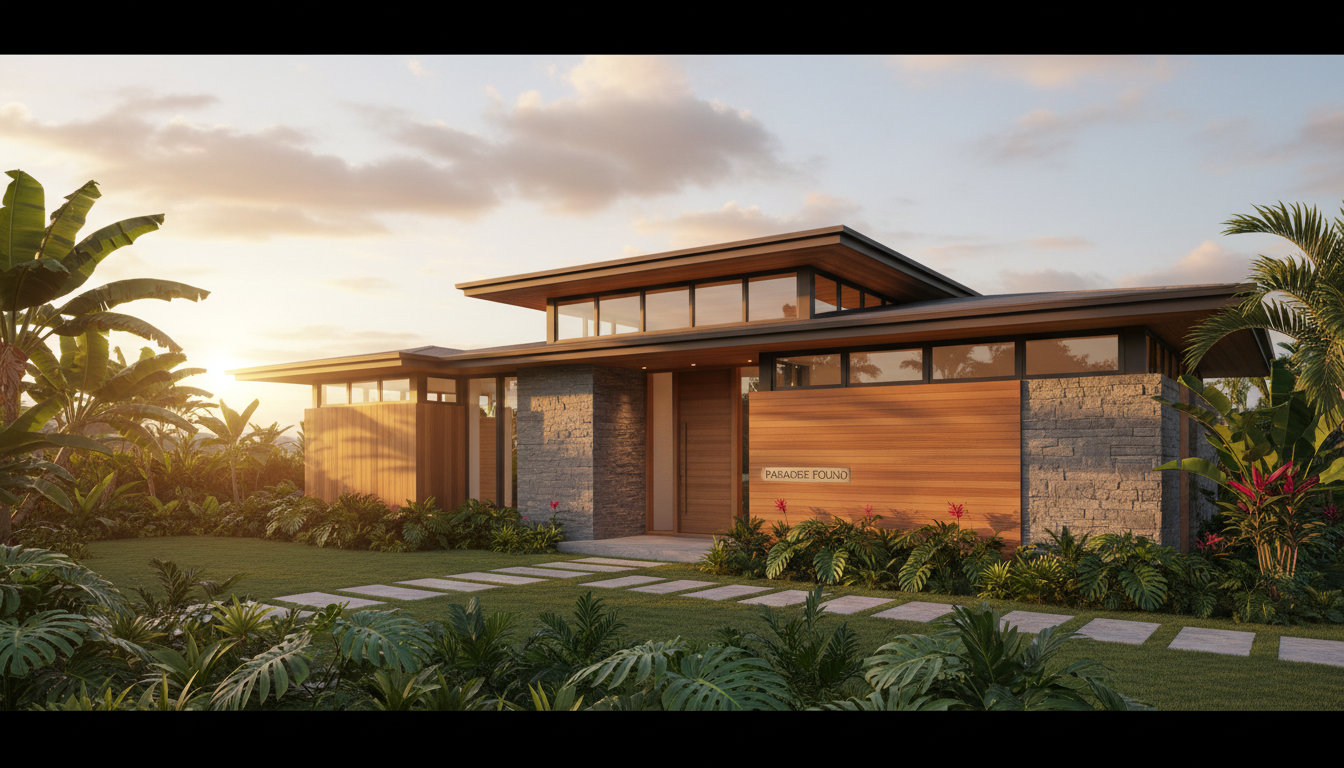
A custom home build Honolulu requires a structured multi-phase timeline that includes extensive design, permitting, and construction periods lasting anywhere from twelve to eighteen months. Costs are typically higher than mainland averages due to expensive shipping for materials and specialized local labor; therefore, detailed budgeting and selecting an experienced design-build team are essential for success.
You have a vision for your dream home in Honolulu, but somewhere between that vision and breaking ground, the process starts to feel overwhelming, expensive, and full of unknowns. Building a custom home in Hawaii is not like building on the mainland, and most homeowners discover that the hard way when timelines slip, permit delays pile up, or costs climb far beyond early estimates. Understanding exactly what to expect before you start protects your investment and your sanity. In this guide, Heather'd Construction walks you through every phase of a custom home build in Honolulu, from initial planning and design through final inspections and move-in, with honest insight into realistic timelines, local permit realities, and what drives costs on Oahu.
The Reality of Building a Custom Home in Honolulu
A custom home build in Honolulu operates on a different set of rules than anything you'll encounter on the mainland. Construction costs run 30 to 50 percent higher than national averages, driven by shipping surcharges that add 15 to 25 percent to material prices, labor rates averaging 20 to 30 percent above national norms, and an island supply chain that rewards careful planning and punishes last-minute decisions. Permitting through Honolulu's Department of Planning and Permitting can take anywhere from 4 to 12 months depending on project scope. Factor in design, site work, vertical construction, and finishes, and total timelines from initial planning to move-in typically run 18 to 30 months.
None of this is reason to walk away. It is reason to go in clear-eyed with a team that knows this market firsthand. At Heather'd Construction, we deliver custom home building and renovation services built around the specific realities of building on Oahu, not adapted from a mainland playbook. Getting it right here, in one of the most extraordinary places on earth, is worth doing with full knowledge of what the process actually involves.
Phase 1: Planning, Design, and Budget Setting in Honolulu
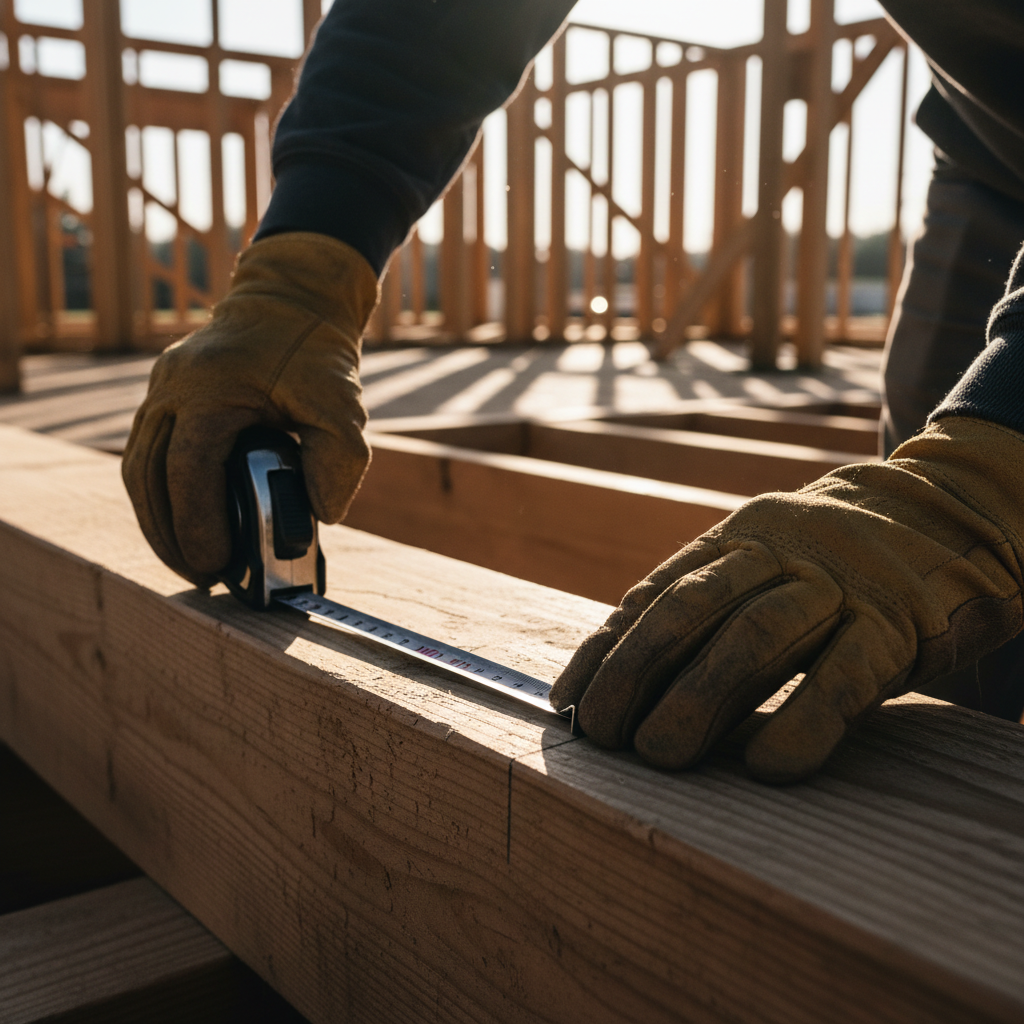
With a clear picture of what you're getting into, the first real work begins: defining scope, assembling your team, and building a budget grounded in Honolulu market realities rather than wishful thinking.
Licensed-contractor builds on Oahu typically run $300 to $500 per square foot for construction alone. Coastal lots and luxury finishes push that figure to $600 or more. For a 2,000 square foot home, total project costs including land acquisition, permits and fees, and construction regularly land between $1.2M and $2M. Land on Oahu alone runs $500,000 to $800,000 in most neighborhoods, and permit fees typically add $20,000 to $50,000 on top of construction costs. Any budget that ignores those line items isn't a real budget.
Beyond the base numbers, build in a 15 to 25 percent contingency. Shipping surcharges add 15 to 25 percent to material costs, and supply delays are a when, not an if, on island projects. A contingency fund is not pessimism; it is the difference between a project that absorbs disruption and one that stalls.
Before finalizing any lot purchase, there are property-specific checks that cannot be skipped. Verify whether the land is fee simple or leasehold, and confirm whether it falls under Hawaiian Home Lands designations, which carry specific eligibility and use restrictions. Identify any archaeological or cultural significance tied to the parcel. Cultural site assessments are sometimes required before breaking ground, and discovering that requirement after closing adds both time and cost to the front end of your custom home build in Honolulu.
Selecting your contractor during this phase matters as much as the budget work. An experienced local builder brings established supplier relationships and familiarity with DPP processes that directly affect your timeline from day one.
Phase 2: Permits and Approvals, the Step That Surprises Most Homeowners
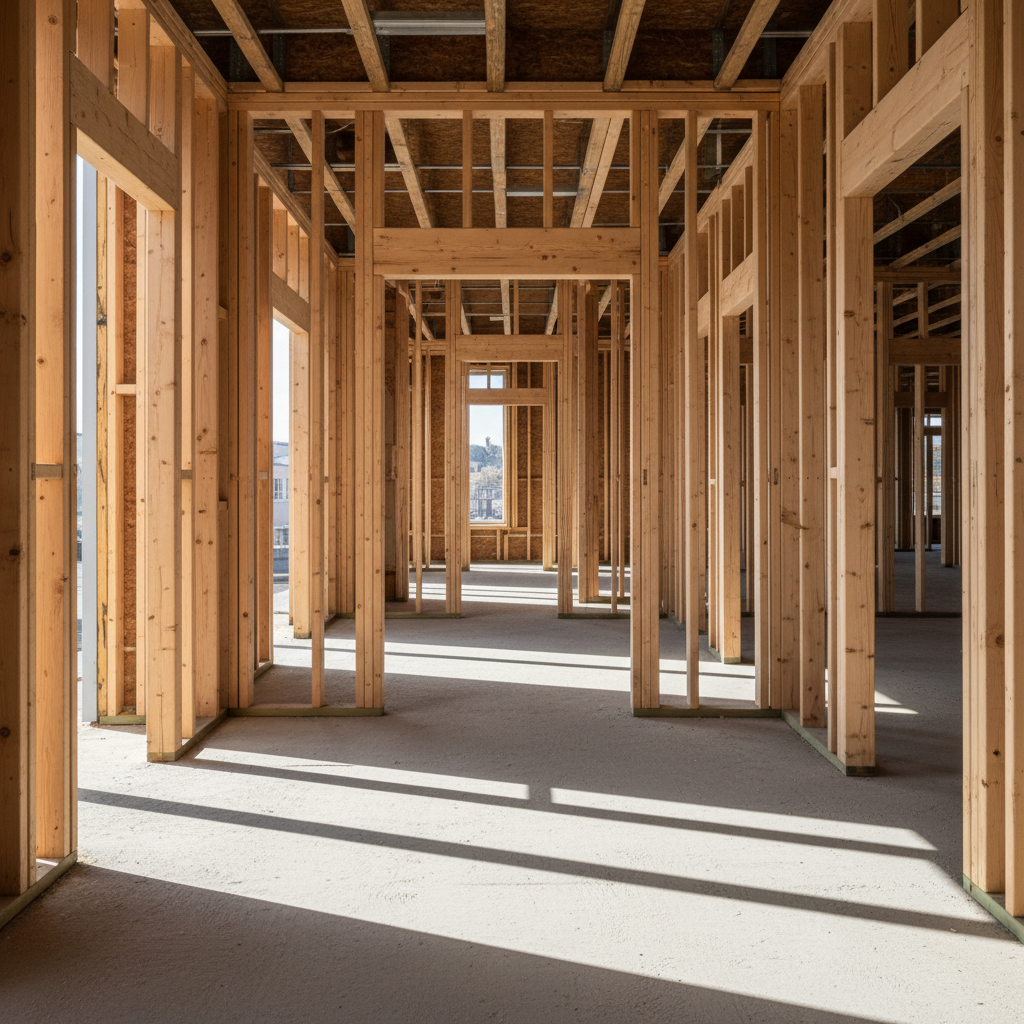
With budget and site due diligence behind you, the next phase begins, and it is consistently the one that catches clients off guard. Honolulu's Department of Planning and Permitting does not move on mainland timelines. Depending on project scope, zoning classification, and DPP workload, permit approval for a custom home build in Honolulu can take anywhere from 4 to 12 months. That range is not a worst-case scenario; it reflects normal operating conditions.
A complete building permit application for a new custom home requires architectural drawings stamped by a licensed Hawaii architect, structural and civil engineering reports, energy compliance documentation under Hawaii's energy code, and soil reports specific to your lot. If your project triggers any additional review, such as shoreline setback approval or special management area permits for coastal properties, add more time on top of that baseline. Hurricane-resistant construction standards are mandatory under Hawaii building code, which means your drawings must explicitly detail reinforced roof-to-wall connections and meet wind load requirements before DPP will move the application forward.
Most homeowners, and frankly many mainland contractors, treat permitting as a waiting period. Experienced local builders treat it as a working phase. The practical move is to finalize your material selections and place orders for long-lead items during permit review. Windows, roofing systems, and cabinetry can carry lead times of 12 to 20 weeks even before accounting for island shipping. Ordering during the permit phase means those materials arrive close to when your crew is actually ready for them, rather than sitting idle on a jobsite or holding up a framing schedule.
This is the phase most clients underestimate when they map out their timeline. Build it into your planning with full weight, not as a footnote.
Phase 3: Site Prep and Foundation Work on Oahu
Permit approval in hand, the physical work begins, and Oahu's terrain immediately makes itself known.
Site clearing and grading on Oahu rarely go exactly as drawn on paper. Depending on your lot, crews may encounter dense volcanic rock that requires jackhammering or controlled blasting, expansive clay soils that shift with moisture changes, or a combination of both within the same parcel. Each condition affects grading timelines and excavation costs in ways that a mainland soil assumption won't account for. This is one reason lot-specific soil reports are required during permitting rather than treated as optional.
Foundation type is determined by what's underneath the lot, not by preference. Many areas in East Honolulu and the Ko'olau foothills require deeper footings or fully engineered slabs due to slope, soil composition, or proximity to drainage corridors. A standard slab that works in a flat Ewa Beach subdivision may be entirely wrong for a hillside lot in Manoa or Kailua.
Utility connections add another layer of coordination. Water, sewer, and electrical tie-ins each require separate permits and independent inspections from Honolulu's relevant agencies before construction above grade can proceed. These aren't formalities; they run on their own schedules and need to be sequenced deliberately from the start.
Phase 4: Framing, Systems, and the Build Taking Shape
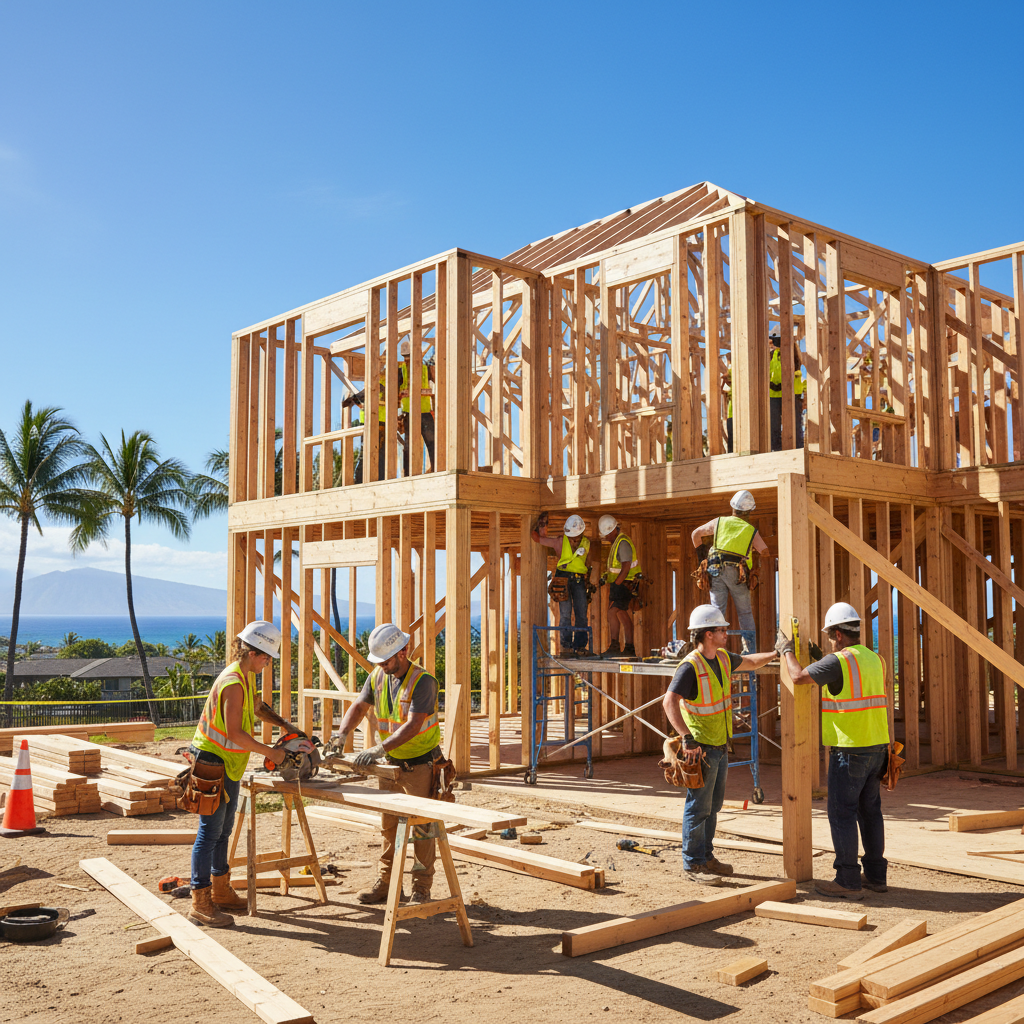
With site work complete and utilities stubbed in, vertical construction begins. This phase typically runs 6 to 12 months for a custom home build in Honolulu, and it is where the structure moves from engineered drawings to something you can walk through.
Framing sets the skeleton of everything that follows. In Hawaii, that skeleton carries additional requirements. Roof-to-wall connections must meet hurricane-resistance standards under state building code, which means specific hardware, strap placements, and fastener schedules built into the framing from the start, not added as an afterthought. Marine-grade hardware and fasteners are the right call for any Oahu build, particularly within a mile or two of the coast where salt air accelerates corrosion on standard steel components.
Once framing passes inspection, rough-in work begins for plumbing, electrical, and mechanical systems. Central forced-air systems are largely absent in Hawaii; ductless split-system AC units are the standard, and their locations and refrigerant line routing are coordinated during rough-in. Cross-ventilation matters here too. Strategic window and opening placement during framing can significantly reduce cooling loads, and getting that layout right during construction costs nothing compared to working around a finished interior later.
Moisture barriers deserve attention in Hawaii's humid climate in ways that mainland specs often underestimate. Properly detailed wraps and vapor management at this stage prevent long-term issues that don't show up until years after move-in.
Solar conduit and panel tie-in provisions are increasingly built in during framing rather than retrofitted after the fact. Retrofitting adds cost and disrupts finished work; planning for it now is straightforward.
Every one of these decisions at Heather'd Construction is made collaboratively with the client, informed by the specifics of the lot, orientation, and program. You can review our completed projects in Honolulu to see how these choices come together across different builds.
Phase 5: Finishes, Fixtures, and the Details That Make It Custom
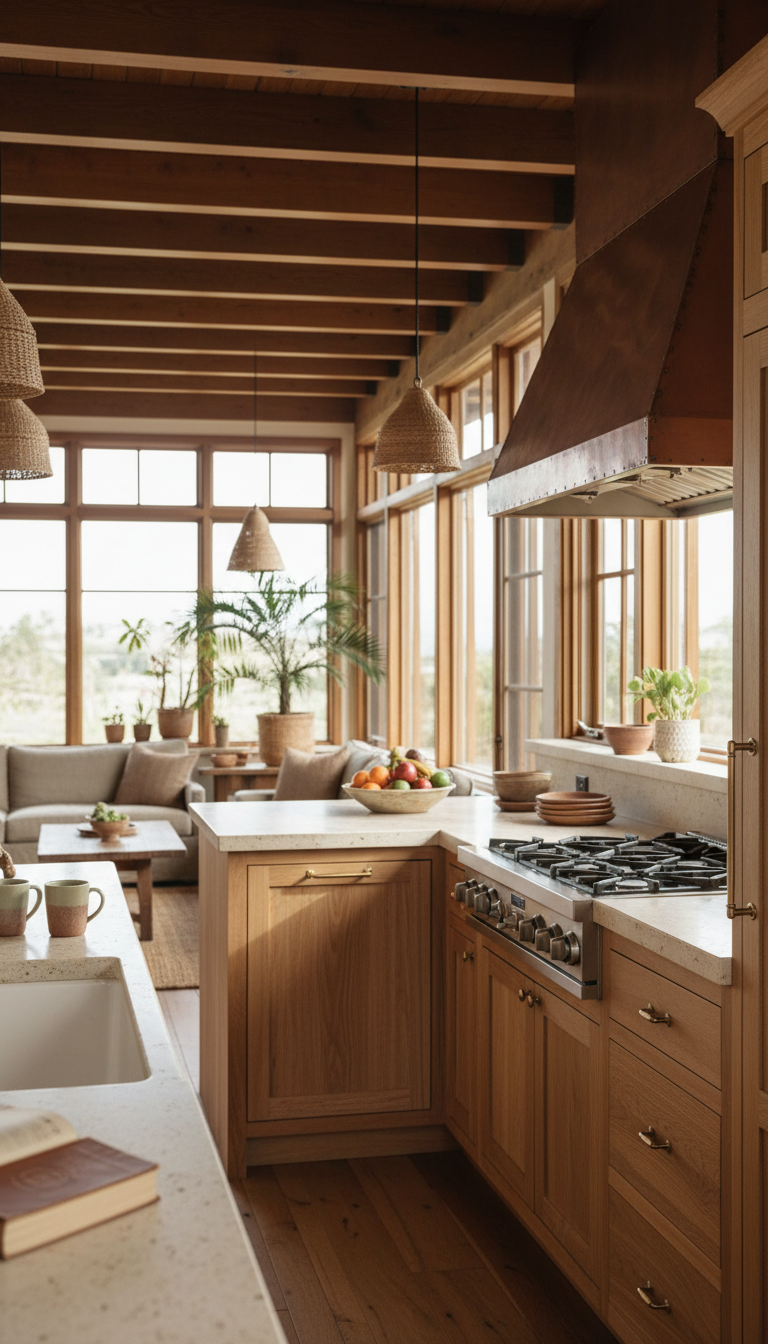
Framing and systems work closes out with inspections, and then the build shifts into its final interior phase, which is where a custom home in Honolulu becomes something genuinely distinct from anything a production builder delivers.
Flooring, cabinetry, countertops, tile work, paint, plumbing fixtures, lighting, and trim all come together in this phase. The decisions made here determine whether the finished home reflects the client's specific vision or defaults to whatever was available off a standard spec sheet. At Heather'd Construction, this phase is driven by the selections and priorities each client brings to the project, not by what is easiest to source.
Timing on finish selections is critical and often underestimated. Custom cabinetry and imported tile can carry lead times of 12 to 20 weeks, and that clock needs to start well before crews are ready to install. Ideally, finish selections are locked in before or during the permit phase. Waiting until framing is complete to order a custom kitchen means the final inspection date moves, and with it, your move-in timeline.
Indoor-outdoor living is central to how people actually use homes in Honolulu, and this phase is where those features get built out. Lanai construction, large-format sliding glass doors, outdoor kitchens, and covered entertaining areas are consistently high on client priority lists. Getting the transitions between interior and exterior spaces right, in terms of both materials and detailing, takes the kind of custom home building and renovation services focused on craftsmanship rather than speed.
Phase 6: Final Inspections, Punch List, and Move-In
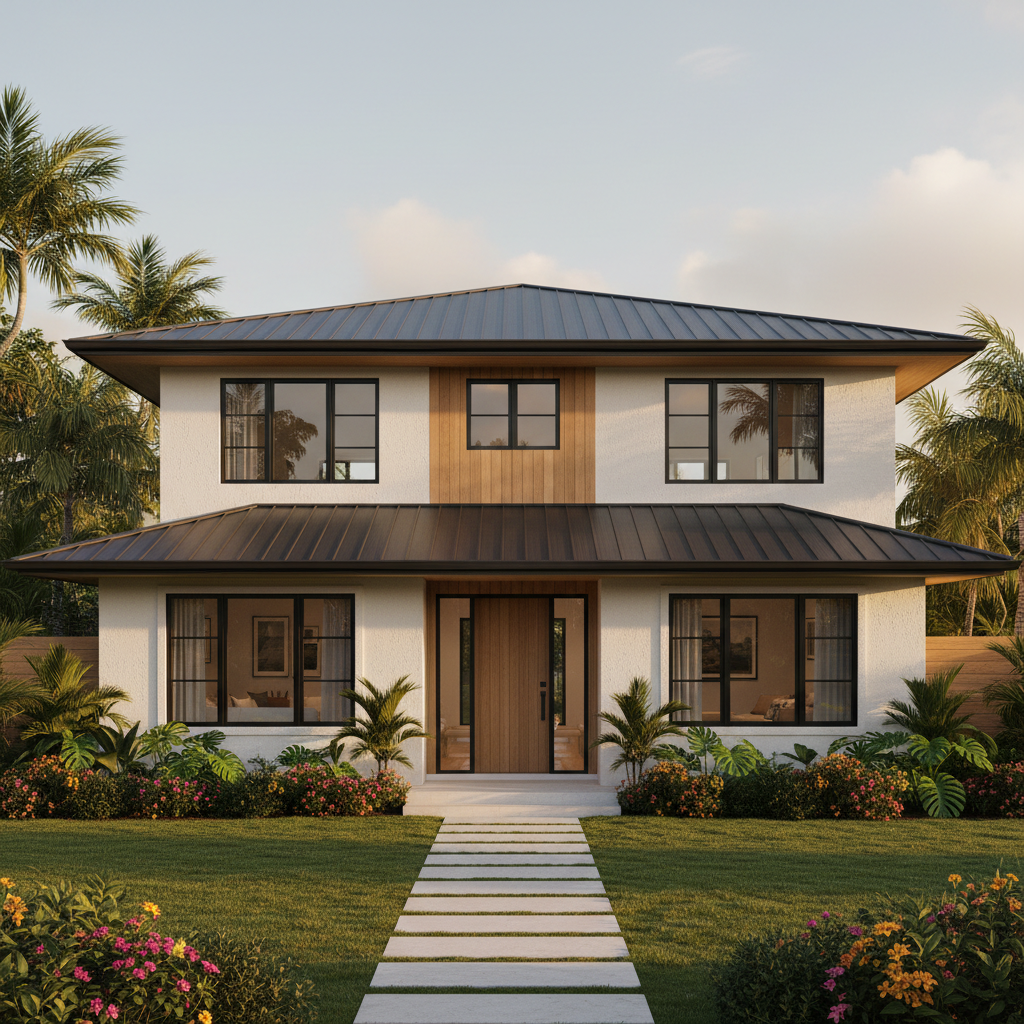
Finishes installed and fixtures set, the build moves into its final formal phase: inspections, corrections, and the Certificate of Occupancy that legally allows you to move in.
Honolulu's DPP does not issue a single final inspection. Electrical, plumbing, and building inspections each run on separate tracks, with individual inspectors who must each sign off before the CO application can be submitted. Scheduling those inspections in the right sequence, and having the work genuinely ready when the inspector arrives, is where projects either close cleanly or pick up delays that push move-in by weeks.
Once inspections clear, the punch list begins. This is a formal walk-through where the contractor and client move through every room and document anything that needs correction, whether a cabinet door that doesn't hang level, a grout joint that needs touching up, or a fixture that wasn't installed to spec. On a custom home build in Honolulu, expect the punch list process to run 2 to 6 weeks depending on scope. At Heather'd Construction, this phase gets the same attention as framing; the job isn't done because rough construction is finished.
Move-in day, after 18 to 30 months of planning, permits, site work, and decisions made at every scale, carries a weight that is hard to describe until you're standing in it. This is a home built specifically for this place, for your life on Oahu, from the foundation type to the lanai layout. That specificity is what makes it worth the timeline. Get in touch with our team to start mapping out what that process looks like for your project.
Frequently Asked Questions About Custom Home Builds in Honolulu
The questions below come up consistently from clients starting to map out a custom home build in Honolulu. Here are direct answers grounded in current Oahu market data.
How much does it cost to build a house on Oahu?
Licensed-contractor builds run $300 to $500 per square foot for construction. Coastal lots and luxury finishes push that to $600 or more. For a 2,000 square foot home, total project costs including land, permits, and construction regularly exceed $1.2M, with many builds landing between $1.2M and $2M depending on location and finish level. Land alone on Oahu typically runs $500,000 to $800,000, and permit fees add another $20,000 to $50,000 on top of construction costs. Any budget that omits those line items is incomplete.
Is it cheaper to buy or build in Hawaii?
An existing home may carry a lower sticker price, but it also carries whatever compromises the previous owner made, deferred maintenance, and systems that were not designed for Hawaii's climate. A custom build delivers a home engineered from the foundation up for Oahu's humidity, salt air, and hurricane loads, with finishes and layout specific to how you actually live. The cost difference is real; the value difference is also real.
What are the phases of building a custom home?
A custom home build in Honolulu moves through six phases: planning and budget setting, permits and approvals, site prep and foundation work, framing and systems installation, interior finishes and fixtures, and finally inspections and move-in. Each phase builds directly on the one before it, and delays in any phase, most commonly permitting, shift everything downstream.
How long does a custom home build take in Honolulu?
Plan for 18 to 30 months from initial planning to move-in. Permitting alone takes 4 to 12 months under normal DPP conditions. Vertical construction typically runs 6 to 12 months after that. Clients who treat permitting as a passive waiting period and fail to order long-lead materials during that window reliably push their timelines out further. Get in touch with our team to build a realistic schedule for your specific project from the start.
Navigating the complexities of a custom home build in Honolulu requires a clear understanding of the local landscape and a well-defined plan. While the timeline and costs can seem daunting at first, breaking the process down into manageable phases makes your dream home achievable. If you find yourself wanting expert help to manage these intricate details, we are here to support you throughout the journey. You can learn more about our team to see how our experience in Hawaii can help turn your vision into a reality.